Pedagogy
Covenant Classical Academy exists to provide a Christ-centered classical education that equips students with wisdom, virtue, and a lifelong love of learning. Rooted in the Five Solas (by grace alone, through faith alone, in Christ alone, from Scripture alone, to God’s glory alone) and covenant theology, our approach is dedicated to discipling students and nurturing their hearts and minds in the gospel of Jesus Christ by cultivating intellectual rigor that honors God in all things.


Christ Centered Discipleship
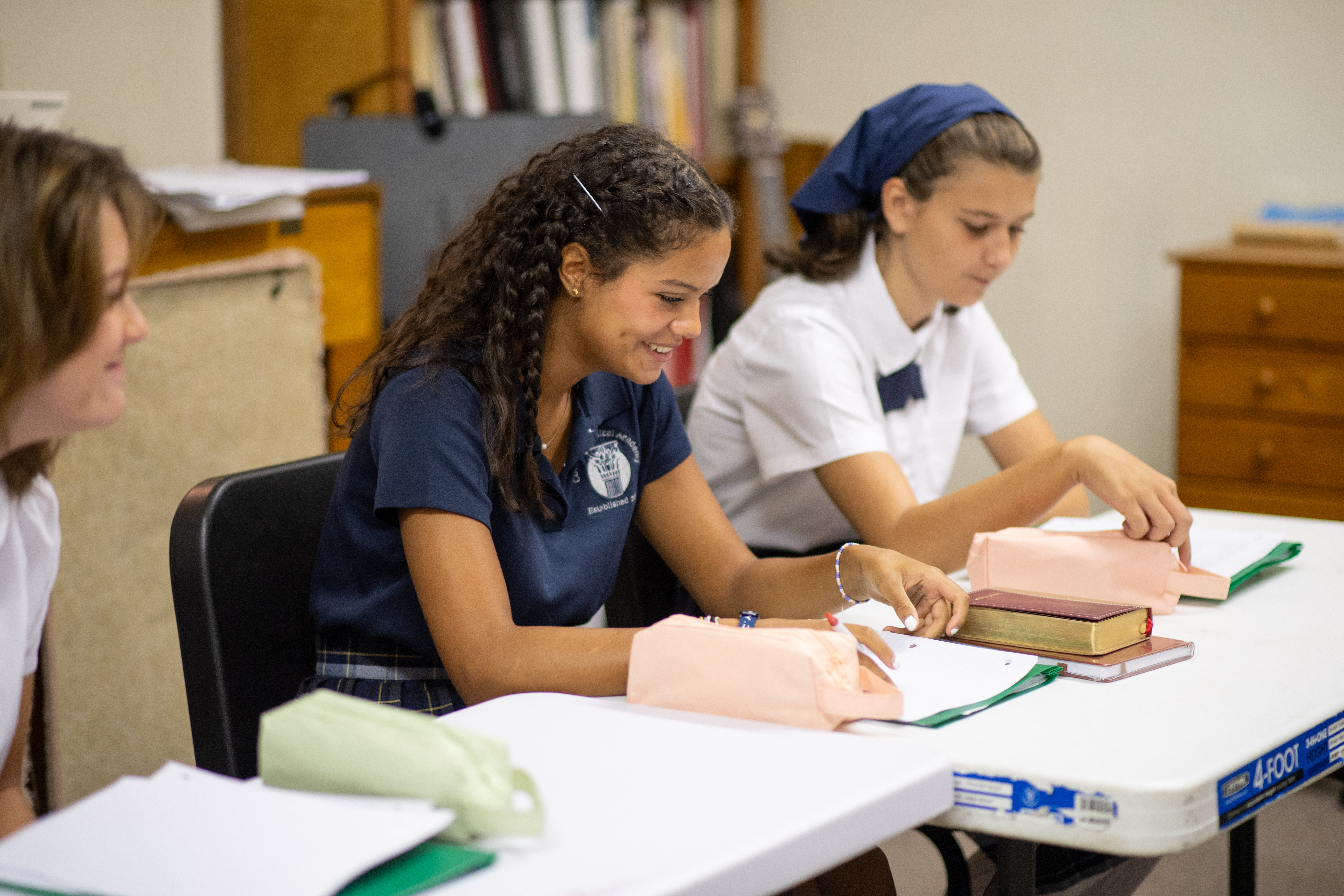
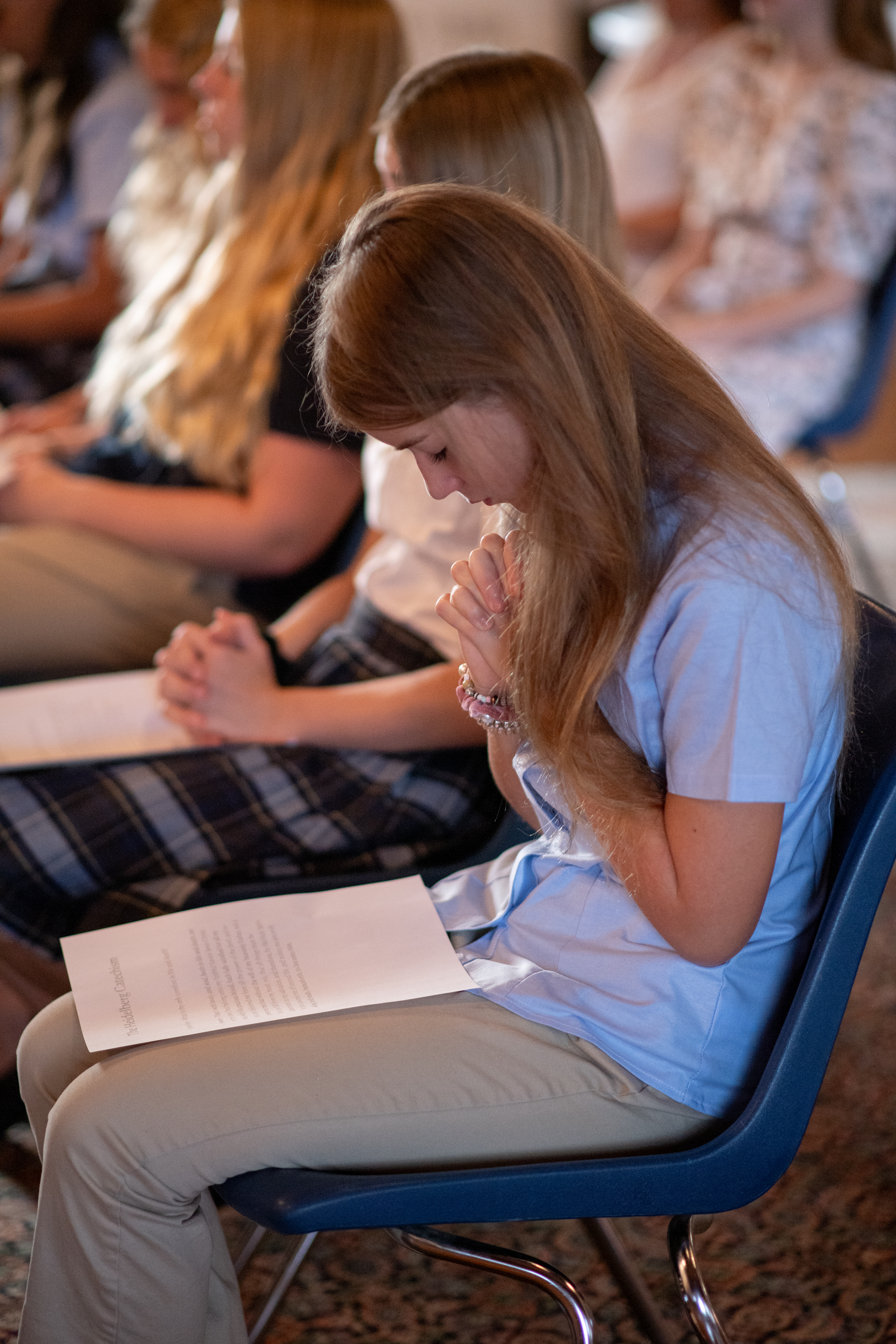
At the heart of Covenant Classical Academy is the commitment to view each student as a covenant member of God’s family. Our goal is to disciple students through their academic pursuits and relationships, consistently pointing them to their identity in Christ and their need for the gospel.
Daily Bible Integration:
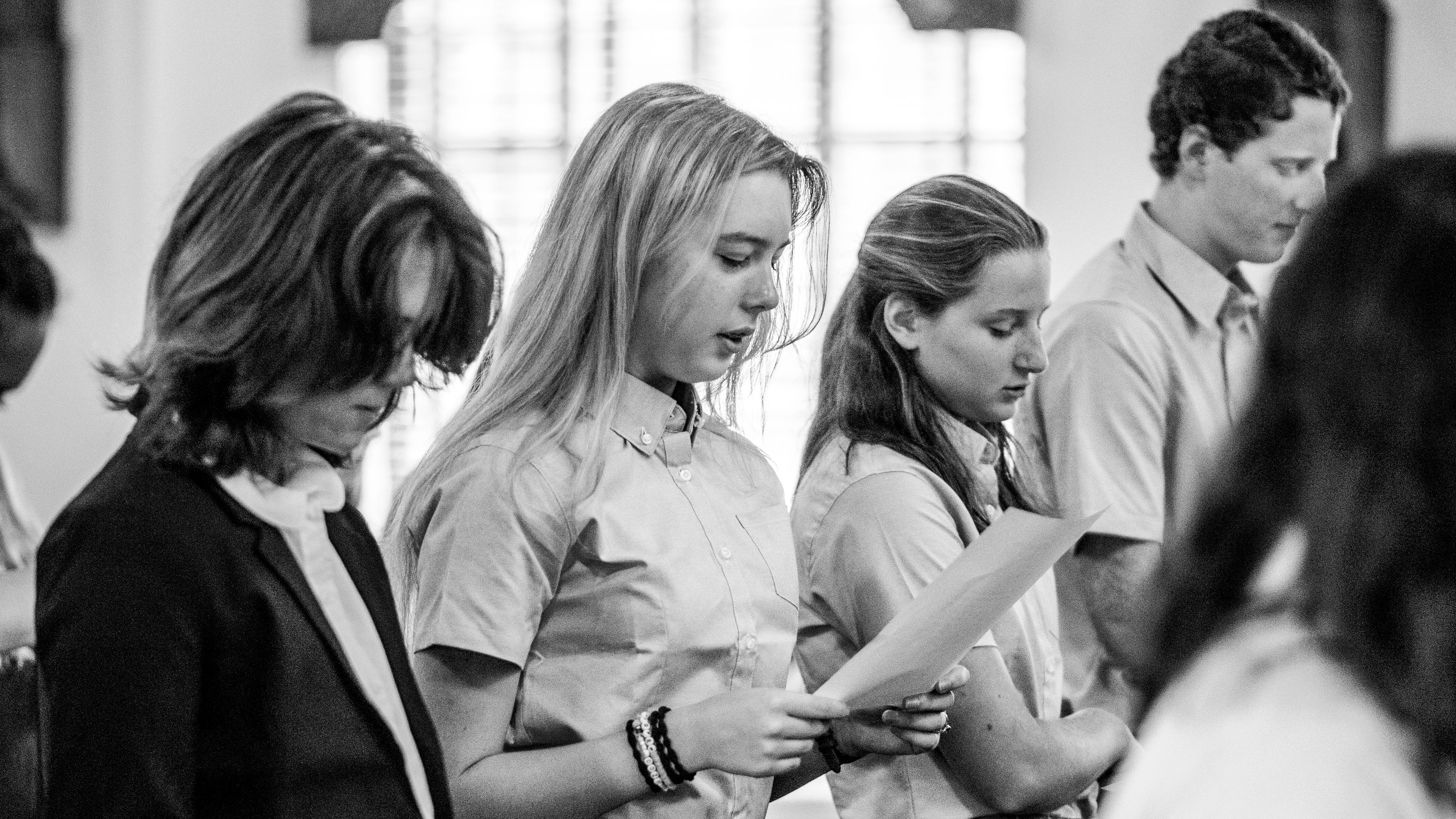
The school day begins with prayer, scripture reading, and worship. Bible lessons are integrated into every subject, showing how all truth ultimately reflects God’s character and purposes.
Mentorship
Teachers act as spiritual mentors, guiding students not only in their academic growth but also in their walk with Christ. Classroom interactions focus on nurturing Christ-like character, promoting virtues such as humility, grace, patience, and love.
Gospel-Centered Curriculum
All subjects, from literature to history to science, are taught from a biblical worldview, with emphasis on how these disciplines reveal God’s order, creativity, and sovereignty. The Five Solas provide the framework for understanding salvation and grace, with students being regularly reminded that their worth and identity come from Christ alone.
Classical Methodology
Covenant Classical Academy follows the time-tested Trivium approach to classical education, which develops students in three distinct stages: Grammar, Logic, and Rhetoric. Each stage builds upon the previous, preparing students for lifelong learning and leadership.
Grammar Stage
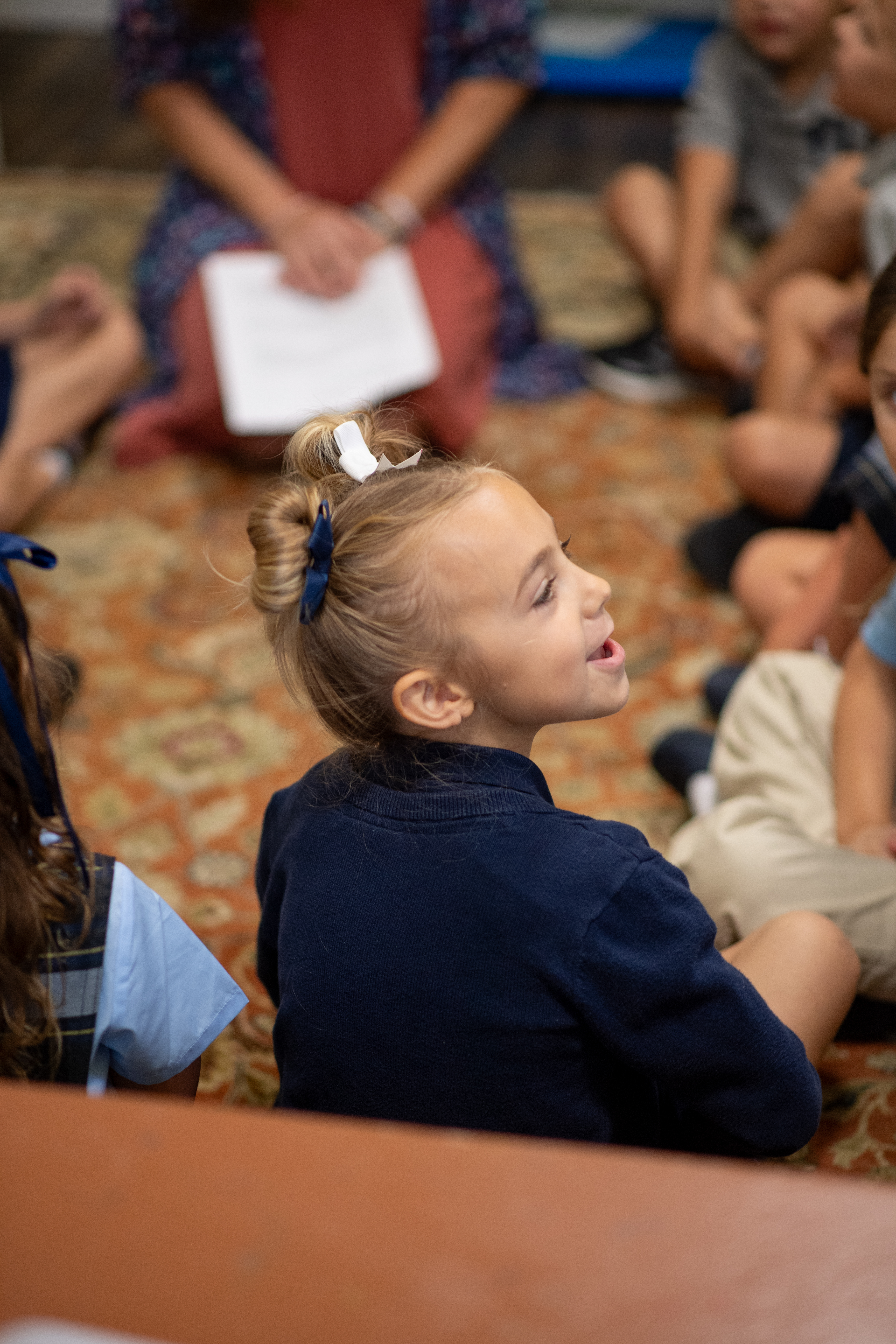
Focus on Foundational Knowledge: Students in the grammar stage focus on memorizing key facts, vocabulary, rules, and the foundational elements of each subject. Through repetition, chants, and songs, students acquire the ‘grammar’ or building blocks of every discipline.
Development of Wonder and Awe: At this stage, the curriculum emphasizes wonder and curiosity about God’s creation. Students are introduced to rich classical literature, Bible stories, and scientific observations, all while developing a love for knowledge.
Imitation and Recitation: Students are encouraged to imitate classical works through reading aloud, storytelling, and reciting scripture. Hymns and psalms are also memorized and sung, particularly in preparation for seasonal events like Reformation Day.
Logic Stage
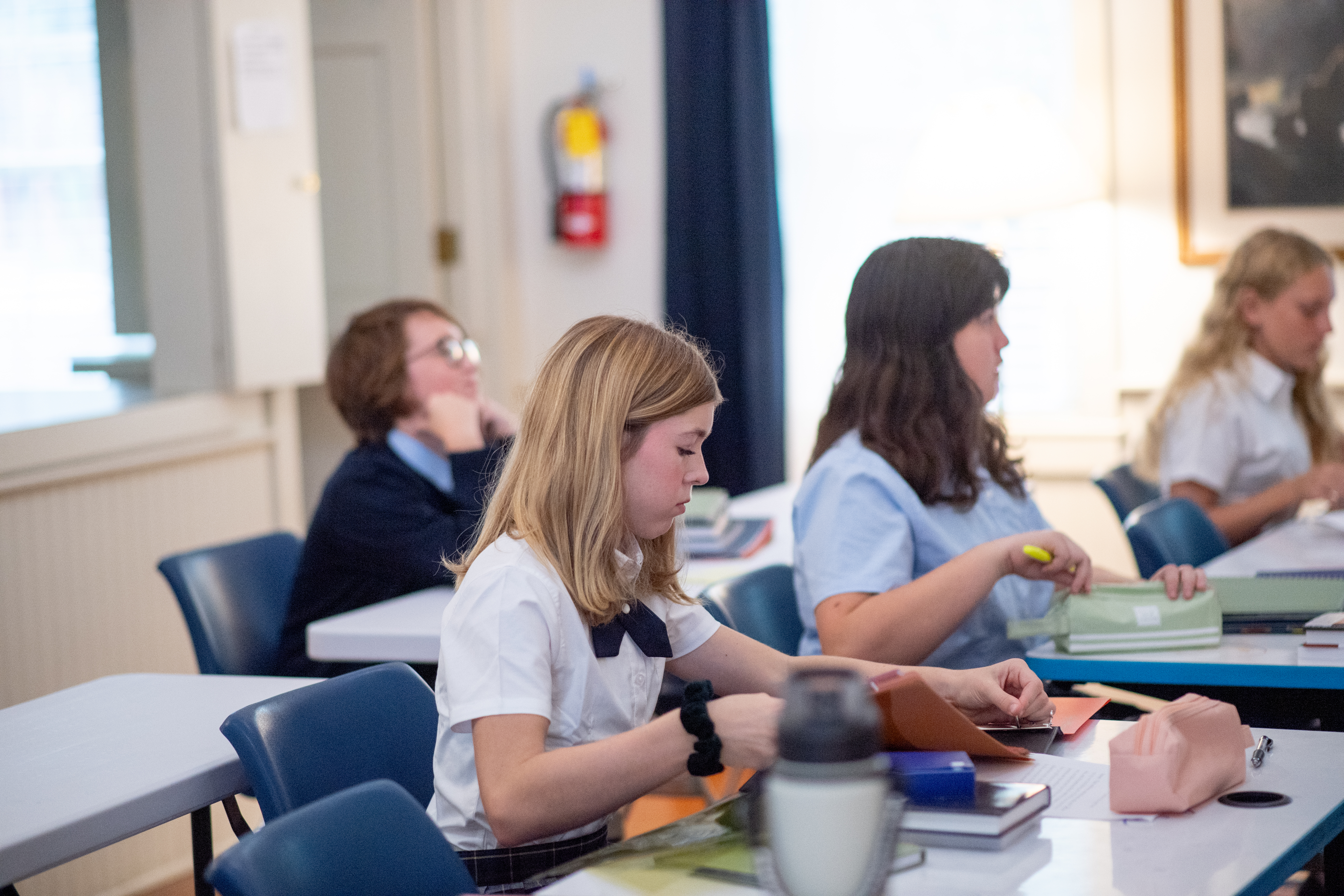
Training in Critical Thinking: Students in the logic stage begin to question, analyze, and understand relationships between facts. Subjects like formal logic, debate, and the Socratic method are introduced to help students develop reasoning skills.
Integration of Disciplines: The curriculum emphasizes interdisciplinary learning, encouraging students to see the connections between subjects like history, literature, and theology. Students learn to apply biblical principles to their reasoning process, reflecting how all truth is unified under God’s sovereignty.
Biblical Worldview Development: Students are taught to critically assess ideas, philosophies, and worldviews through a biblical lens, learning to “take every thought captive to obey Christ” (2 Cor. 10:5).
Rhetoric Stage
- Mastery of Expression: In the rhetoric stage, students synthesize their knowledge and develop the ability to express ideas clearly, persuasively, and beautifully. Classical rhetoric is taught with an emphasis on both written and oral communication.
- Senior Thesis: Students complete a senior thesis that integrates biblical truth with the subject of their choice, honing their skills in research, reasoning, and public speaking. The thesis is a culmination of their classical education, reflecting the wisdom and virtue they have developed.
- Discipleship through Discussion: The Rhetoric stage focuses on mature discussion and mentoring, with teachers continuing to disciple students in how to live out the gospel in all areas of life. The culmination of this stage is not just academic success but a deepened commitment to Christ.
 Covenant Classical Academy